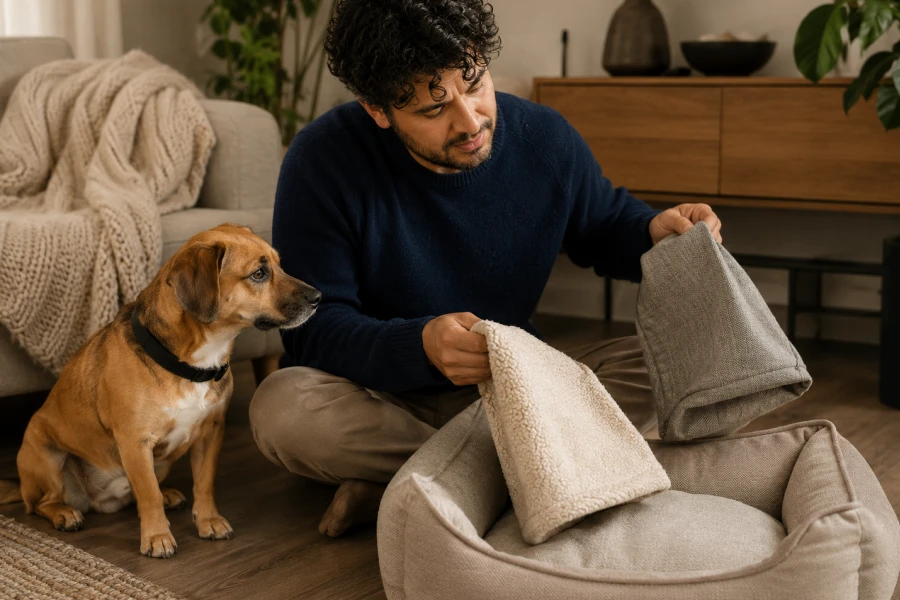
Pet bed fabric choices often look simple until you consider fur, muddy paws, drool, washing, seasonal temperatures, and the occasional accident. A beautiful bed becomes less useful if it is difficult to clean or uncomfortable after one wash. The smartest approach is to think about the entire life of the bed. Your pet needs a surface that feels inviting. You need a material that can handle repeated care without losing shape or softness. Finding that balance can make a bed last longer and feel better every day. A thoughtful fabric decision supports both comfort and convenience.
Before choosing a color or pattern, think about laundry. Can the cover be removed easily? Does the fabric tolerate machine washing? Will it dry quickly enough for your household? A washable pet bedding fabric can simplify the entire ownership experience. Frequent cleaning feels less intimidating when the process is straightforward. Consider the tools you already use. A practical bed should fit your routine instead of creating a new chore you postpone. That keeps the sleeping space fresher for everyone.
Every pet uses bedding differently. Some gently curl up and sleep for hours. Others dig, turn, stretch, and carry toys onto the bed. Watch what your pet does before making a decision. Fabrics that look soft may not always hold up to active use. At the same time, durable materials should not feel rough or stiff. Look for a balance between strength and comfort. The most useful bed is one that remains pleasant after the novelty wears off and regular use begins.
A protective layer can make a pet bed easier to manage, especially for younger pets, older pets, or animals who enjoy damp outdoor adventures. A moisture-resistant pet bed layer may help protect inner cushioning from small spills or wet paws. It should not make the entire bed feel hot or plasticky. Think about where that layer belongs. A removable liner can offer protection while leaving the top surface soft. Layering gives you more flexibility when needs change.
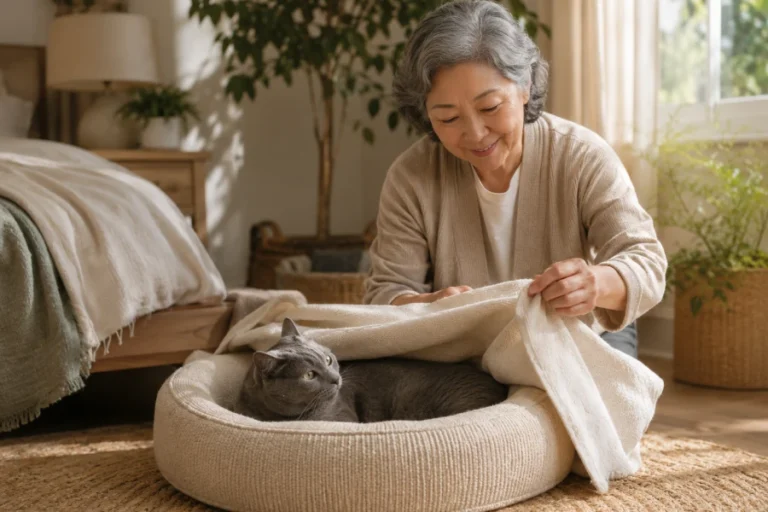
Pets may seek different surfaces as temperatures change. A thick plush bed can feel wonderful in winter yet become too warm during summer. Consider whether the cover can be swapped seasonally. Lightweight textiles may work well in sunlit rooms or warm climates. Softer, denser fabrics may feel better in drafty spaces. You do not need a completely different bed for every season. A few adaptable layers can make the same sleeping area useful throughout the year. Comfort often comes from choosing materials that can adjust.
Style is not the only reason to consider color. A mid-tone fabric may hide fur better than a very light or very dark material. Patterns can make small marks less noticeable between washes. However, visual appeal should never outweigh comfort and care. Choose a design that works with your home but also supports easy maintenance. Think about where the bed sits and how often it will be seen. A practical color can help the bed look fresh without encouraging you to clean it less often.
An easy-clean pet bed cover can be one of the most useful features in a busy household. It allows you to wash the surface without struggling with bulky filling. Look for closures that are secure but simple to open. Make sure replacement covers are realistic for your budget and storage space. A removable layer also lets you refresh the bed’s look over time. Practical details like this can keep a favorite bed useful long after other options have worn out.
Edges, seams, corners, and entry points often show wear before the center of the bed. Check how these areas are reinforced. Think about your pet’s habits around nesting and chewing. A strong seam can make a major difference over several months. Avoid assuming that a thick fabric automatically means better construction. Look at the bed as a complete system. Fabric, stitching, lining, and closure all work together. Paying attention to these details helps you choose a product that lasts through real routines.
A good bed reflects your pet’s habits and your household’s rhythm. It might be soft enough for long naps, practical enough for frequent washes, and durable enough for everyday use. The right material can make a resting spot feel dependable rather than disposable. Use a focused fabric resource to compare options with more confidence. Find a better approach to pet bedding and choose a setup that works beyond the first week at home.


Leave a comment