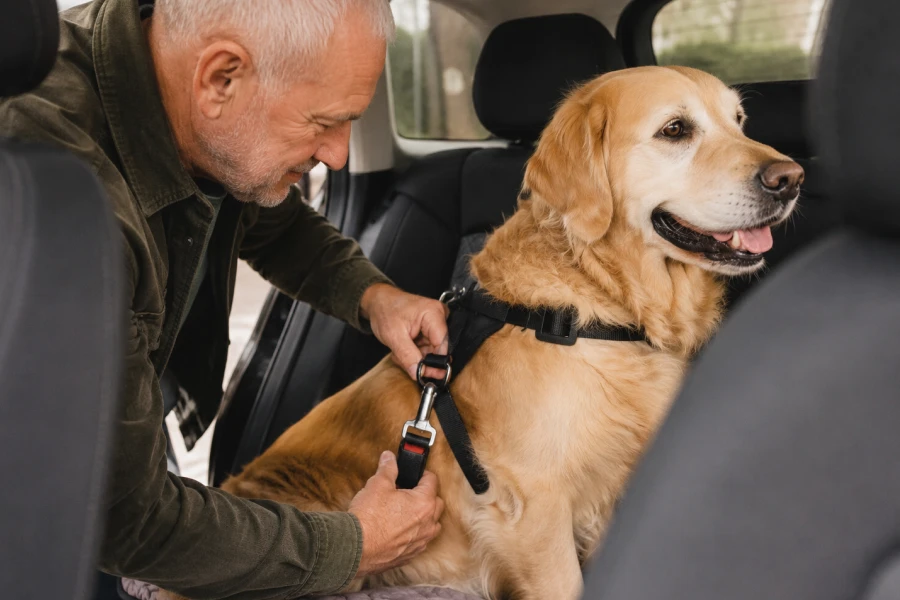
Dog car travel safety is not only about rules and equipment. It is about creating a secure environment where your dog can settle while you focus on driving. A dog moving freely inside a vehicle can become distracted, frightened, or injured during sudden stops. Even a calm pet may react unexpectedly to traffic, noises, or a passing animal. The right preparation gives your dog a predictable place in the car. It also helps you avoid last-minute decisions when the road becomes stressful. Safety works best when it becomes part of the routine.
Every dog needs a stable place to ride. The best option depends on size, temperament, and travel habits. Some dogs feel comfortable in a secured crate. Others do better with a properly fitted harness and restraint. Consider what lets your dog sit, lie down, and shift comfortably without roaming. Learn the basics of dog car restraint basics before departure. A secure position helps protect the dog and reduces distraction for the driver. Consistency makes that setup easier to use every time.
Loose bags, open containers, and cluttered seats can make travel less safe. Create one space for your dog and another for supplies. Keep items from rolling or sliding during turns. Store food, water, towels, and leashes where you can reach them quickly. Avoid placing your dog near open windows or unsecured gear. A tidy car also feels less overwhelming. When everything has a place, you spend less time searching and more time watching the road. Good organization supports calmer decisions throughout the trip.
Long drives can make even relaxed dogs restless. Regular stops give your dog a chance to stretch and regroup. Choose locations carefully, especially near busy highways. Keep your dog secured before opening the door. Offer water and a few quiet minutes before returning to the vehicle. A predictable stop routine can reduce excitement and improve focus. It also gives you a chance to check the temperature, bedding, and comfort of the travel setup. Small resets help the entire day feel more manageable.
Water needs can change with weather, exercise, and travel length. Keep fresh water accessible and use dog hydration on the road as part of your travel rhythm. Offer small amounts regularly rather than waiting until your dog appears thirsty. Be mindful of hot pavement and warm car interiors. Never assume a shaded parking area will remain cool. Carry extra water in case traffic delays the next stop. Hydration supports comfort, digestion, and recovery throughout a long day.
A familiar blanket or quiet toy can help your dog settle. However, avoid adding items that create hazards or excessive stimulation. Choose soft, secure bedding that stays in place. Keep chew items appropriate for supervised use. Watch for signs that your dog is becoming too warm, anxious, or restless. Comfort should support calm behavior, not distract from safety. A good setup balances softness with stability. That balance is especially important during longer stretches between stops.
Some dogs need extra patience in vehicles. A gradual approach to anxious dog car ride support can prevent fear from becoming more intense. Begin with calm, short rides. Use a familiar setup and avoid loud music or sudden changes. Keep your own tone relaxed. Do not punish nervous behavior. Instead, focus on helping your dog feel safe enough to settle. For ongoing concerns, a veterinarian or qualified trainer can offer more individualized support.
Traffic, weather, construction, and detours can affect any route. Keep an emergency kit with water, waste bags, towels, medication, a leash, and a copy of important records. Save local veterinary contacts along your route. Know your dog’s normal needs before you leave. This makes it easier to recognize when something is different. Preparation prevents a temporary inconvenience from becoming a stressful situation. A flexible plan protects both your schedule and your dog’s wellbeing.
The best car trips feel calm because the important details were handled before the first mile. Your dog has a secure place, familiar comforts, regular breaks, and an owner who can respond without panic. That preparation can turn a long drive into an enjoyable part of the trip. Explore the dog travel resource to build a safer, more comfortable routine for every future journey.



Leave a comment