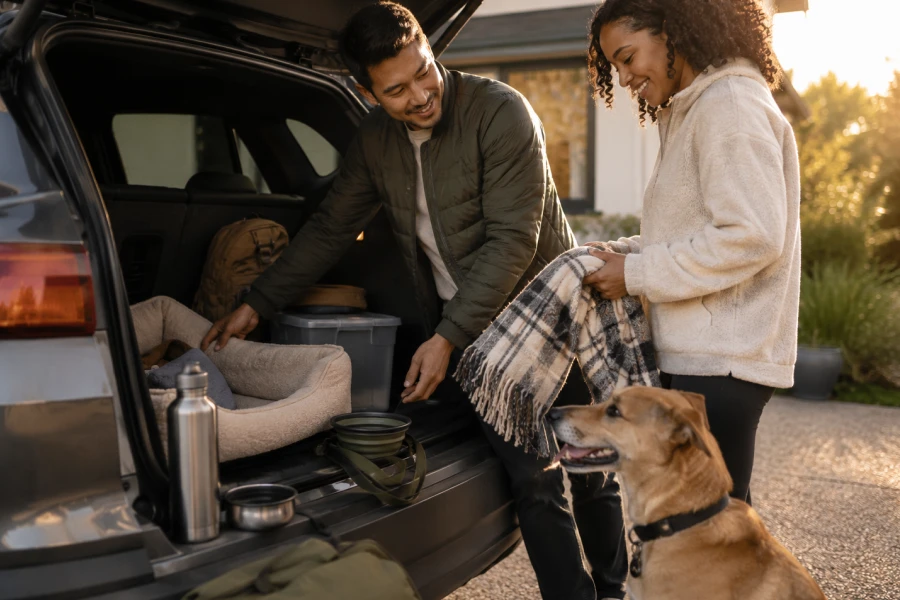
Dog road trip planning starts long before the engine turns on. A successful drive depends on comfort, safety, pacing, and the ability to respond when plans change. Dogs often notice small disruptions that people overlook, including new smells, changing temperatures, loud traffic, and unfamiliar rest stops. Preparing for those details can transform a long drive into a more relaxed experience. The most important goal is not simply reaching the destination. It is helping your dog feel secure throughout the journey. A little preparation creates a noticeably smoother trip for everyone in the car.
Your dog will adjust more easily when travel includes familiar elements. Consider regular meal timing, preferred toys, rest patterns, and exercise habits. A dependable dog travel routine can make unfamiliar places feel less overwhelming. Try taking shorter rides before a longer journey. Notice how your dog responds to turns, traffic, waiting, and stops. This gives you time to identify what feels calming. Familiar routines are especially valuable during the first hours of a new trip.
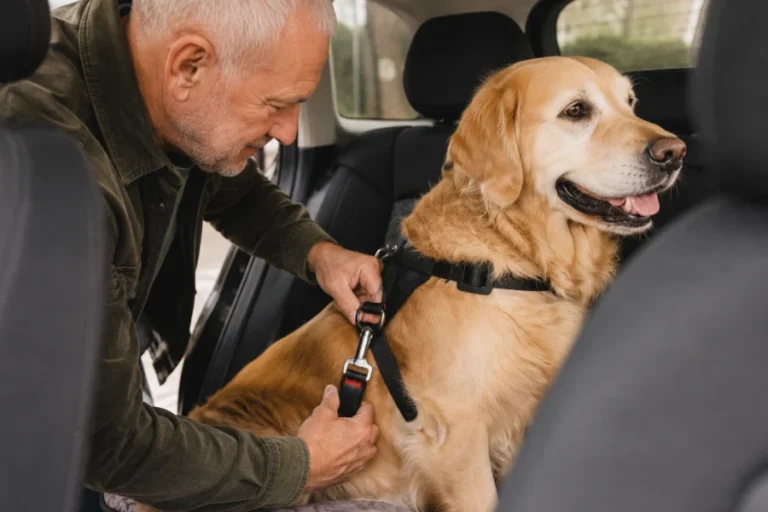
Your vehicle should have a dedicated, secure space for your dog. That might include a properly fitted restraint, carrier, crate, or travel bed, depending on your dog’s size and comfort. Keep the space clean and uncluttered. Avoid loose items that could shift during sudden stops. Make sure your dog has airflow without direct exposure to strong drafts. A well-organized car feels calmer for both driver and pet. It also makes it easier to access water, supplies, and comfort items when you need them quickly.
Not every roadside stop will suit your dog. Look for places with enough space to move safely away from traffic. Think about shade, weather, pavement temperature, and the presence of other animals. Careful pet-friendly route planning makes these decisions easier before you are tired or rushed. You may want to identify parks, rest areas, veterinary clinics, and pet-friendly accommodations along the way. A flexible route gives you alternatives if a stop feels crowded or uncomfortable.
Bring more than the basics. A thoughtful dog road trip packing list can include food, water, bowls, cleanup supplies, a leash, waste bags, towels, a familiar blanket, medications, and records. Add items based on your dog’s specific needs. A chewer may need durable toys. A nervous dog may benefit from familiar bedding. Pack supplies where you can reach them without unpacking the whole car. Easy access reduces stress during frequent stops and unexpected delays.
Many dogs feel better when meals are timed around travel rather than immediately before departure. Pay attention to your dog’s usual digestion and activity level. Offer water regularly, especially in warm weather or after exercise. Avoid leaving water in a spot where it can spill during movement. Keep meals simple and familiar whenever possible. A road trip is not the ideal time to test a new treat or food. Consistency helps you notice quickly if your dog seems uncomfortable or needs a change in pace.
Some dogs love cars immediately. Others need gentle practice. Start with brief, positive drives that end somewhere pleasant. Reward calm behavior without turning every ride into a high-energy event. Use a calm voice and a predictable routine. Gradually increase trip length as confidence grows. This helps your dog understand that car travel is safe and temporary. Emotional preparation can be especially helpful for dogs who associate vehicles with stressful appointments. Patience during practice usually pays off during a longer journey.
Traffic, weather, construction, and accommodation changes can affect any trip. Build extra time into your schedule so you do not need to rush. Keep an emergency contact list accessible. Know where your dog’s records are stored. Have a backup stop in mind before you need one. A flexible attitude helps your dog because animals respond to human tension. When you remain calm and prepared, your dog is more likely to settle as well. The best road-trip plans leave room for real life.
A memorable trip does not need to be perfectly scheduled. It needs to feel safe, manageable, and enjoyable for the whole car. When you prepare thoughtfully, your dog can spend less time reacting to discomfort and more time enjoying the adventure. A detailed travel resource can help you anticipate practical needs before departure. Prepare your next drive with your dog so every mile feels more confident, comfortable, and connected.


Leave a comment