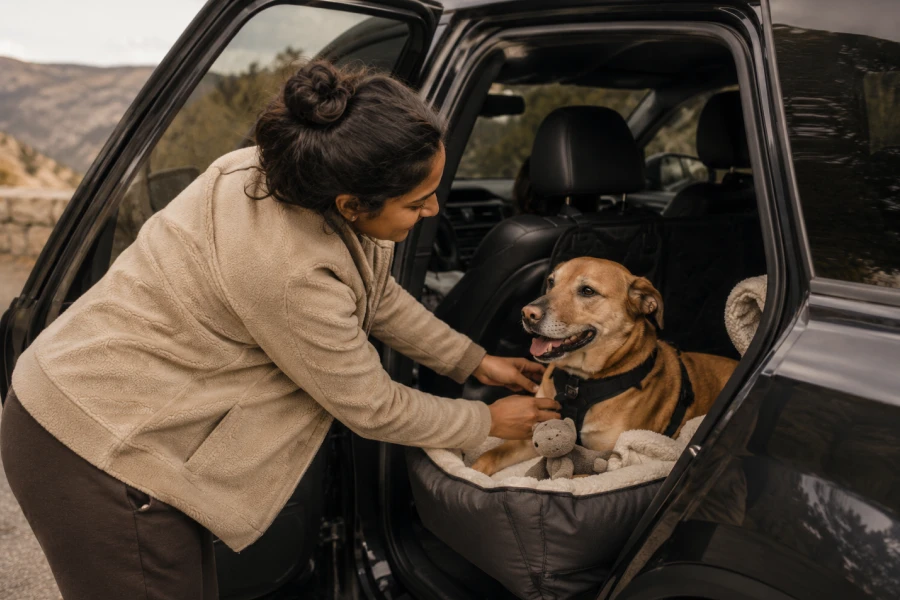
When you prepare dog for a long car trip, you create more than a packing plan. You create a calmer experience for an animal who depends on you to understand the journey. Long drives involve movement, noise, changing routines, and unfamiliar places. Dogs may respond with excitement, nervousness, restlessness, or motion discomfort. Preparation helps you notice what your dog needs before those feelings become overwhelming. It also gives you practical options when the day does not unfold exactly as planned. A steady approach makes travel easier for both of you.
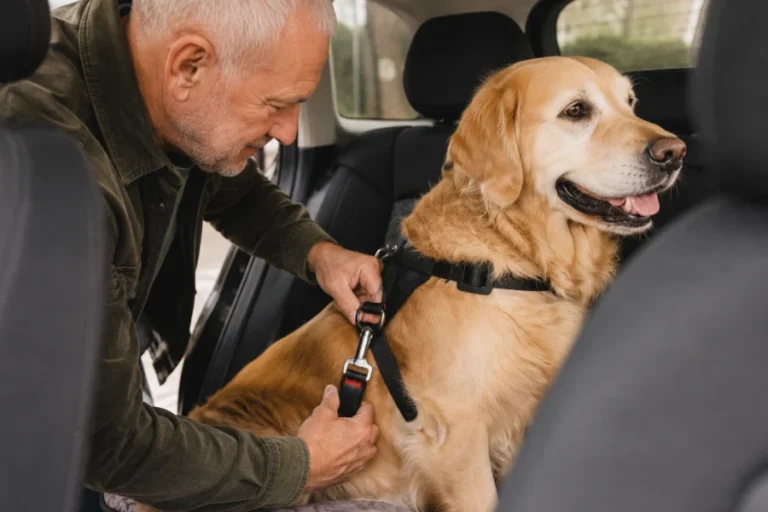
Long travel feels less intimidating when your dog has already experienced the car in small, positive doses. Begin with short rides that end somewhere pleasant, such as a quiet park or a familiar walking route. Keep the setup consistent each time. Use the same restraint, blanket, or carrier when possible. Watch for signs of stress, including panting, whining, drooling, or pacing. Practice rides give you useful information without the pressure of a departure day. They also help your dog understand that movement in the car is normal.
Some dogs experience discomfort before they ever arrive at their destination. Thoughtful dog motion sickness preparation begins with observation. Notice when your dog seems uneasy and how quickly symptoms appear. Avoid unfamiliar treats before travel. Keep the car cool and well ventilated. Schedule a calm break if your dog looks uncomfortable. Talk with a veterinarian about persistent concerns. Small changes can make a major difference when the drive becomes longer than usual.
A car can feel much less strange when your dog has familiar textures and scents nearby. Bring a blanket, bed cover, or toy that your dog already associates with rest. Keep the travel space tidy and stable. Avoid moving your dog between seats unnecessarily. A consistent setup can support canine travel comfort throughout the day. It also helps you notice quickly when something changes in your dog’s behavior. Familiarity becomes especially valuable during overnight stays or unexpected delays.
Plan meals with your driving schedule in mind. Some dogs do better with a lighter meal before departure and regular water during stops. Others need a more familiar timing pattern. Pay attention to your dog’s normal needs instead of copying a generic rule. Bring enough water for traffic delays and warm conditions. Use a spill-resistant bowl when practical. Keep food and supplies in one easy-to-reach container. The simpler the routine feels, the easier it is to maintain it throughout a busy travel day.
Rest stops are more than bathroom breaks. They give your dog a chance to stretch, sniff, reset, and release nervous energy. A dependable rest stop routine for dogs helps create rhythm during a long drive. Choose safe areas away from heavy traffic. Keep your dog leashed, even in open spaces. Offer water and a few calm minutes rather than making every break overly exciting. Consistent pauses can reduce restlessness when you return to the car.
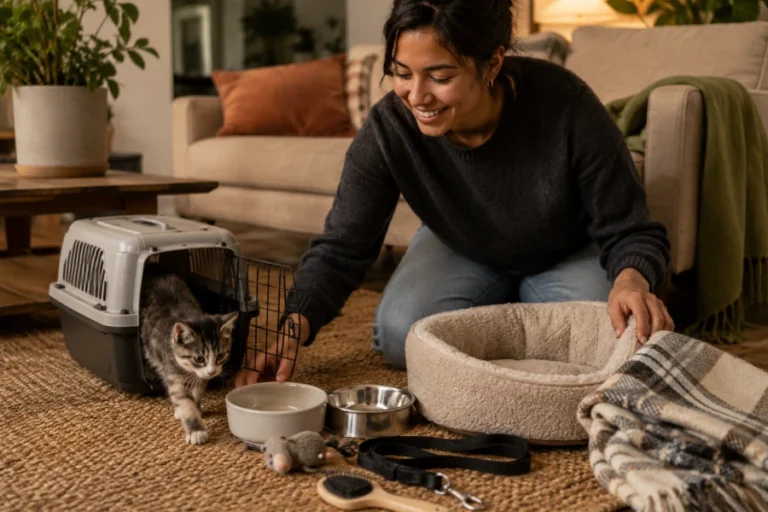
Every drive can include surprises. A hotel may change policies. Traffic may lengthen the route. Weather may make a planned stop uncomfortable. Carry extra cleanup supplies, food, water, towels, and medication. Keep veterinary contact information available. Know how to locate emergency services along your route. Backup plans do not mean expecting a bad trip. They simply give you confidence to handle changes without making your dog feel your stress. Preparation is often most valuable when something unexpected happens.
Your dog may communicate discomfort quietly. It might appear as repeated yawning, licking, stiff posture, changes in appetite, or reluctance to settle. Pay attention before those signs become intense. Adjust the temperature, add a break, or reduce stimulation when needed. You know your dog’s normal behavior better than anyone else. Trust those observations. Flexibility can matter more than sticking to a perfect schedule. A responsive owner helps the journey feel safer from beginning to end.
Travel preparation should leave space for enjoyment. Once the practical details are handled, you can focus on shared walks, new scenery, and relaxed time together. A well-planned trip lets your dog arrive with more energy and confidence. Use a structured travel resource to organize the details that are easiest to forget. Plan a more comfortable drive for your dog and turn the journey into part of the adventure.


Leave a comment